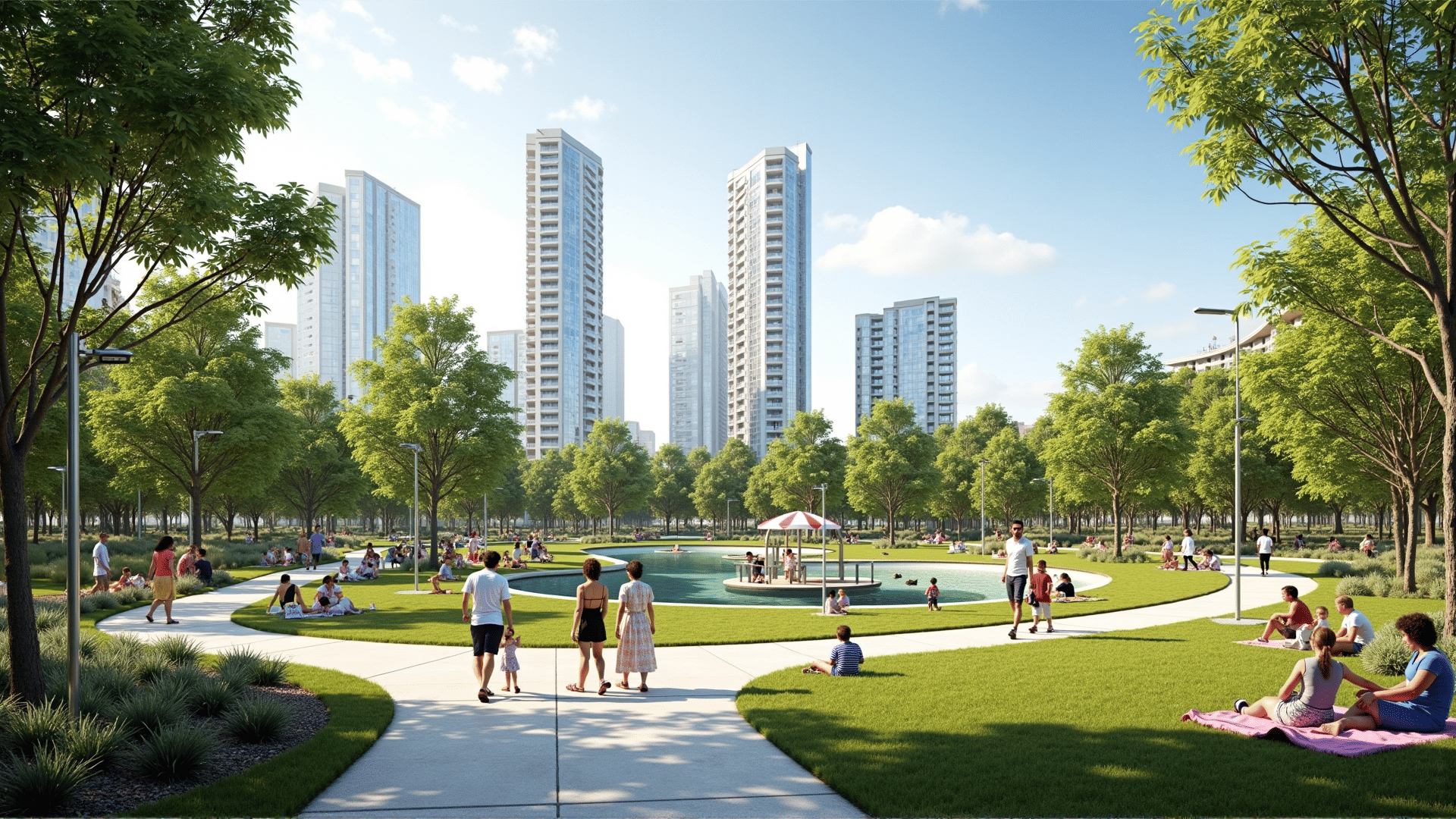
In the bustling heart of cities, where concrete and steel dominate the skyline, there is a growing need to reimagine urban spaces into areas that foster community, promote well-being, and champion sustainability. Urban landscapes offer an innovative approach to transform these city environments, introducing elements of nature into the metropolitan groove and creating green oases amidst the urban sprawl.
The modern city is a dynamic ecosystem where people live, work, and interact daily. With ever-growing populations, the pressure on these environments has increased, leading to a surge in demand for spaces that offer respite from the continual rush. Urban landscape solutions respond to this need by integrating greenery and sustainable elements into public spaces, providing urban dwellers with a breath of fresh air amidst the chaos.
One of the core benefits of implementing urban landscape solutions is their ability to improve aesthetic appeal. By strategically integrating plants, trees, and water features, we can transform concrete jungles into visually pleasing environments that encourage relaxation and social interaction. The infusion of greenery not only enhances beauty but also introduces a myriad of ecological benefits. Green spaces contribute to improved air quality by filtering pollutants and producing oxygen, a critical intervention in densely populated areas where air pollution is a pressing issue.
Beyond the environmental advantages, urban landscapes play a crucial role in fostering community connectivity. Public parks, community gardens, and urban farms become platforms for people to gather, collaborate, and build social ties. They are places where cultures blend, where people of different backgrounds meet, and where a shared sense of belonging and community is cultivated. These spaces encourage healthy lifestyles by providing venues for exercise and recreation, simultaneously addressing public health through accessible and attractive environments.
Moreover, sustainable urban landscapes are pivotal in tackling climate change. Green roofs, permeable pavements, and rain gardens are examples of how cities can manage stormwater runoff, reduce heat island effects, and promote biodiversity. These innovative solutions lead to energy savings and provide habitats for urban wildlife, creating micro-environments that bridge the gap between urban and natural worlds.
The approach to urban landscaping also aligns with the concept of smart cities, where technology aids in optimizing space and resource use. Urban landscapers now employ data-driven strategies to design adaptable environments that respond to the needs of residents and the unique challenges posed by climate shifts. For instance, IoT sensors can monitor soil conditions, humidity, and temperature, ensuring that the plant life within the landscape thrives under optimal conditions.
Furthermore, the economic implications of enhanced urban landscapes are significant. Green spaces have been shown to increase property values, attract tourism, and encourage local business growth. They create desirable environments that draw residents and businesses alike, energizing local economies while also offering spaces for local artisans and entrepreneurs to thrive.
However, the journey towards greener urban spaces requires cohesive planning and collaboration among city planners, architects, environmentalists, and the community. Public awareness and participation are crucial in ensuring these landscapes reflect the desires and needs of the residents they serve. Community-driven initiatives, consultations, and participatory design processes ensure the successful adoption and sustainability of these green transformations.
In conclusion, urban landscapes are no longer an optional luxury; they are essential components of a healthy, livable city. By integrating nature into urban settings, cities can significantly enhance public spaces, providing residents with vital green areas that promote well-being, community interaction, and environmental sustainability. As we look to the future, embracing urban landscape solutions offers a promising pathway towards resilient, vibrant, and inclusive urban environments that cater to both people and nature.