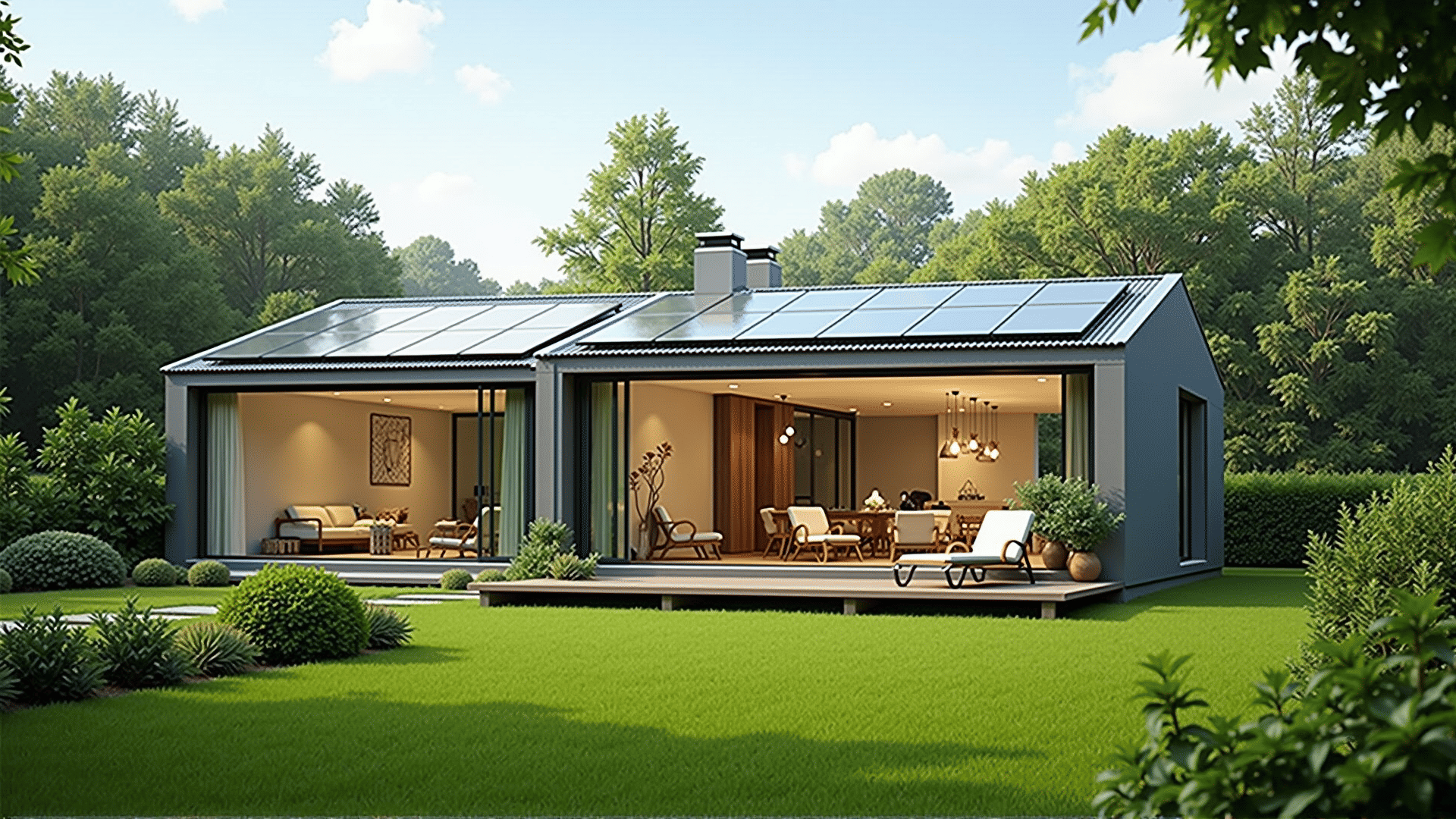
In an era marked by growing environmental awareness, the concept of sustainable living has become not just a trend, but a necessity. Embracing architecture that prioritizes the planet is no longer an optional extra—it’s a crucial element of a responsible lifestyle. The beauty of sustainable design lies in its ability to balance ecological responsibility with comfort and aesthetics, demonstrating that it is possible to care for our planet while maintaining the quality of life.
Sustainable architecture focuses on creating structures that minimize environmental impact through efficient use of resources and materials. One primary goal is energy efficiency, which involves designing homes that reduce energy usage and lower carbon footprints. This can be achieved through various methods including solar panels, energy-efficient appliances, and smart home technology that optimizes energy use.
Incorporating natural light is another significant aspect of sustainable design. Large windows, strategically placed skylights, and open floor plans enhance sunlight penetration, reducing the need for artificial lighting and heating. This not only conserves energy but also creates warm, welcoming spaces that can boost mood and productivity.
Thermal insulation plays a pivotal role in energy-efficient homes. By selecting materials that keep homes cooler in summer and warmer in winter, we can maintain a comfortable indoor climate year-round while using less energy for heating and cooling. Recycled and locally-sourced materials serve as excellent options in this context, as they reduce the environmental impact and support local economies.
Water conservation is equally crucial in sustainable living. Designing homes with systems that manage water efficiently, like rainwater harvesting, greywater recycling, and low-flow fixtures, can significantly reduce water usage. Such innovations ensure that precious resources are used wisely without compromising on essential comforts.
The landscape surrounding a home is another critical component. Sustainable designs often incorporate native landscaping practices that require minimal water, fertilizer, and maintenance. By selecting indigenous plant species suited to the local climate, homeowners can create beautiful, functional spaces that support biodiversity and establish habitats for local wildlife.
One must also consider the adaptability and resilience of architectural designs in the face of climate change. Homes that are built with flexible, durable materials can adapt to changing conditions, ensuring longevity and reducing the need for extensive renovations or rebuilds. This forward-thinking approach not only benefits the environment but also protects homeowner investments.
Perhaps the most compelling aspect of sustainable architecture is its ability to inspire. It encourages communities to think creatively about how they can coexist harmoniously with the environment. Beyond individual homes, sustainable buildings have the power to educate and set a powerful example for future generations.
In conclusion, sustainable living is about making conscientious choices that benefit both individuals and the planet. By embracing architecture focused on energy efficiency and environmental stewardship, we ensure that our homes can be healthy, beautiful, and sustainable sanctuaries. With thoughtful design and innovative solutions, we can comfortably and stylishly shoulder the responsibility of protecting our planet for future generations.