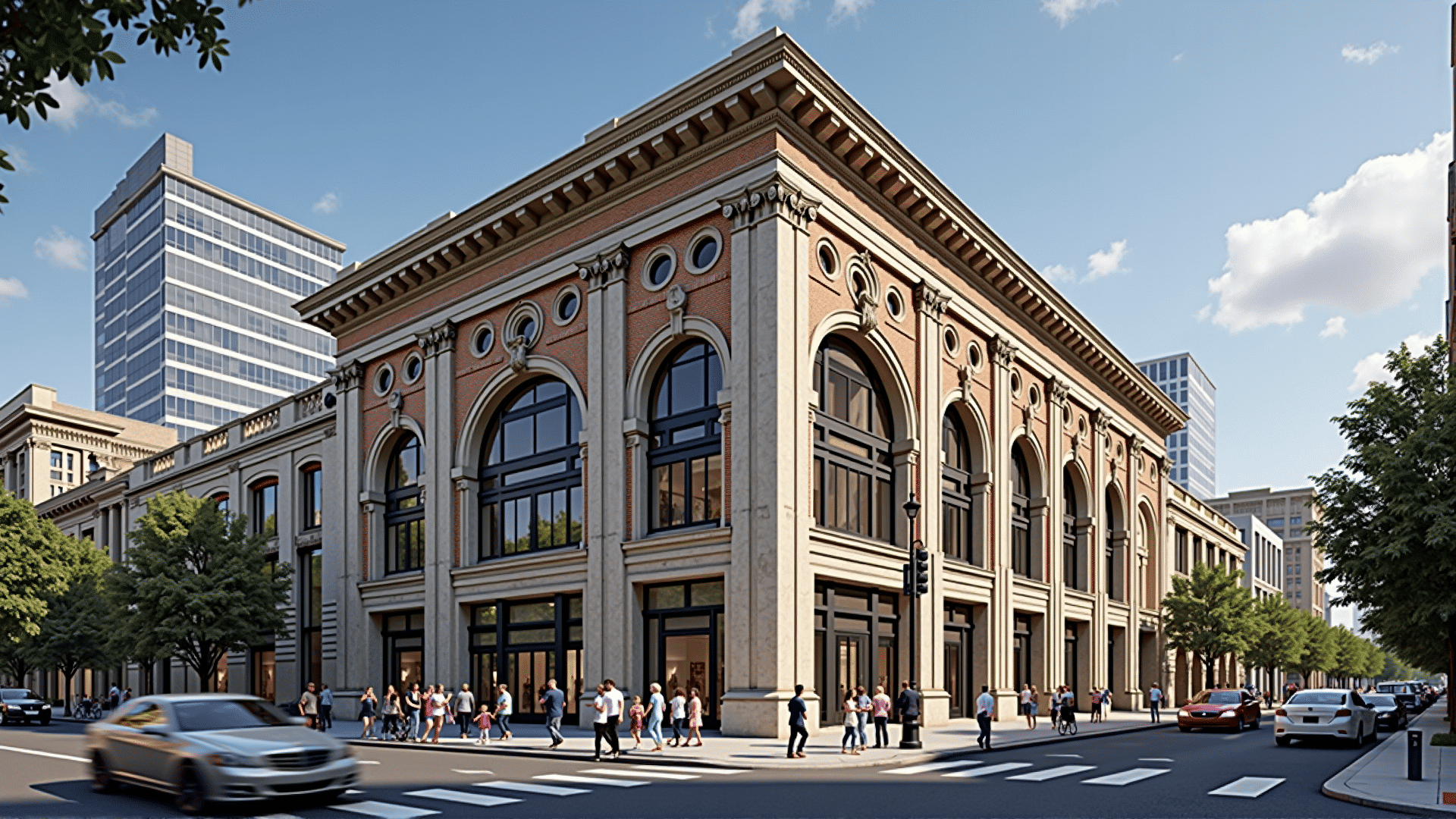
Preserving cultural heritage is a delicate art that requires balancing reverence for the past with a forward-thinking vision for the future. Architectural heritage serves as a tangible connection to our history, carrying with it the stories and achievements of those who came before us. Through careful restoration projects, we can both honor these legacies and integrate them into the modern world, ensuring their survival for generations to come.
At the heart of any restoration project lies the impetus to celebrate the cultural significance of historical structures. These buildings are more than mere bricks and mortar; they embody cultural identities and community pride. Investing in their preservation means investing in a shared history, fostering a sense of belonging and continuity that transcends time. By reviving architectural landmarks, we reaffirm their place within the cultural tapestry and highlight their ongoing relevance in contemporary society.
Restoration is an intricate process that requires expertise, sensitivity, and a deep appreciation for the unique characteristics of each structure. This involves meticulous research and analysis to understand the original materials, construction techniques, and historical context. Only with this knowledge can professionals make informed decisions to ensure that every aspect of the restoration process stays true to the building's original design while enhancing its structural integrity for the future.
A key component of successful restoration is the use of traditional craftsmanship. Many historical structures were built using methods and techniques that have been passed down through generations, each with its own distinct regional flair. By employing artisans and craftsmen skilled in these age-old practices, restoration projects serve as a means of conserving these endangered skills. Furthermore, the blending of traditional and modern techniques provides innovative solutions that enable restorations to address present-day challenges like sustainability and accessibility.
This seamless integration of past and future has the potential to transform restored buildings into living entities that celebrate both tradition and innovation. By incorporating modern technology and amenities, these structures can be adapted to meet contemporary needs while maintaining their historical essence. Whether repurposed as museums, community centers, or commercial spaces, restored buildings can thrive as vibrant hubs that attract people, foster economic development, and contribute to the cultural vitality of their surroundings.
Equally important is the role of restored architectural heritage in educating the public. Through interpretative programs, exhibitions, and guided tours, these projects can illuminate the past in engaging ways, deepening public understanding and appreciation of cultural history. This educational function helps cultivate a conservation-minded society that values and supports the protection of its heritage.
Looking ahead, we must recognize the challenges that climate change and urbanization pose to our cultural heritage. By embracing sustainable practices in restoration efforts, we can reduce environmental impacts and enhance the resilience of these structures to protect them against future threats. The promotion of green technologies and energy-efficient solutions, alongside the careful management of resources, ensures that we honor our obligation not just to the past but to the future.
In sum, preserving architectural heritage is a dynamic and rewarding endeavor that enriches our cultural landscape. By celebrating the artistry and achievements of those who built before us and creating spaces that resonate with today's world, we keep history alive, make it relevant, and encourage dialogue between generations. Through our collective efforts, we can ensure that these architectural treasures continue to inspire, educate, and delight for years to come.