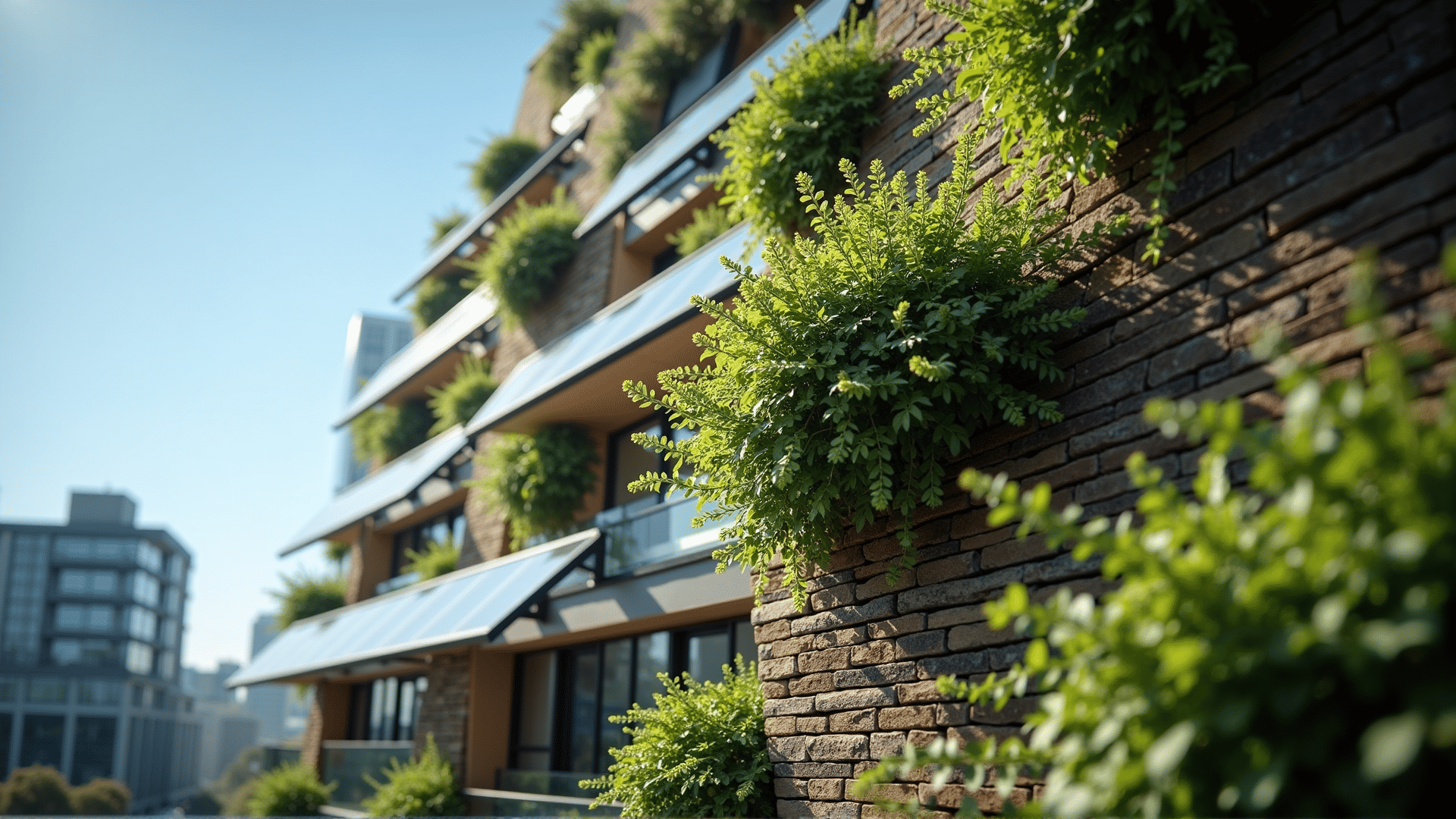
As the world continues to grapple with the environmental challenges posed by urban development, sustainable architecture has emerged as a crucial strategy in creating eco-friendly and energy-efficient structures. Urban Nest Creations, a leading voice in green building practices, highlights several innovative trends in sustainable architecture that are shaping the future of our cities.
1. Passive House Design: One of the cornerstones of sustainable architecture is the Passive House design, which emphasizes energy efficiency through insulation, airtightness, and optimal window placement. This approach drastically reduces the need for artificial heating and cooling, creating a more sustainable and comfortable living environment. With energy performance standards becoming more stringent, the Passive House model serves as an exemplary standard for future constructions.
2. Biophilic Design: Integrating nature into built environments, biophilic design is about acknowledging the innate connection humans have with nature. By incorporating elements like green walls, rooftop gardens, and natural lighting, architects can enhance the well-being of occupants while also improving air quality and reducing energy costs. Urban spaces enriched with natural elements can lead to healthier, more productive inhabitants.
3. Recycled and Sustainable Materials: The use of recycled and sustainable materials in construction is rapidly gaining traction. Materials such as reclaimed wood, recycled steel, and sustainable concrete serve as environmentally friendly alternatives to traditional building materials. By using locally sourced materials, architects can further reduce a building's carbon footprint, reflecting accountability to environmental stewardship.
4. Net-Zero Energy Buildings: Net-Zero Energy Buildings (NZEB) produce as much energy as they consume by harnessing renewable energy sources such as solar panels and wind turbines. Urban centers are increasingly adopting this approach to minimize reliance on non-renewable energy sources. Furthermore, advanced energy management systems and smart building technologies are aiding in optimizing energy consumption in NZEBs.
5. Modular and Prefabricated Construction: The prefabrication and modular construction industries have seen significant innovations, making the construction process more sustainable. By manufacturing building components in controlled factory settings, waste is minimized, and quality control is enhanced. Moreover, these methodologies require less time onsite, reducing disruption to local ecosystems and communities.
6. Water Conservation and Management: In areas prone to water scarcity, sustainable architecture integrates systems for water conservation, such as rainwater harvesting, greywater recycling, and the use of porous materials for better water absorption. Smart water management technologies ensure efficient use of water resources, which is critical in both urban and rural settings.
7. Adaptive Reuse of Buildings: Rather than demolishing outdated structures, adaptive reuse offers a sustainable solution by repurposing existing buildings for new uses. This approach conserves resources and preserves cultural heritage, often revitalizing neighborhoods and reducing the environmental impact associated with new builds.
8. Community-Centric Urban Planning: Community-centric planning involves designing spaces that promote social interaction and community engagement. Shared public spaces, pedestrian-friendly walkways, and mixed-use developments not only enhance the quality of urban life but also reduce environmental degradation by promoting alternative forms of transportation and reducing car dependency.
Embracing these trends in sustainable architecture is not just a response to current environmental demands but a proactive step toward a sustainable future. As Urban Nest Creations and other sustainable architecture advocates continue to innovate and advocate for greener practices, the hope is to inspire a new era of urban development that values and safeguards the environment for generations to come.