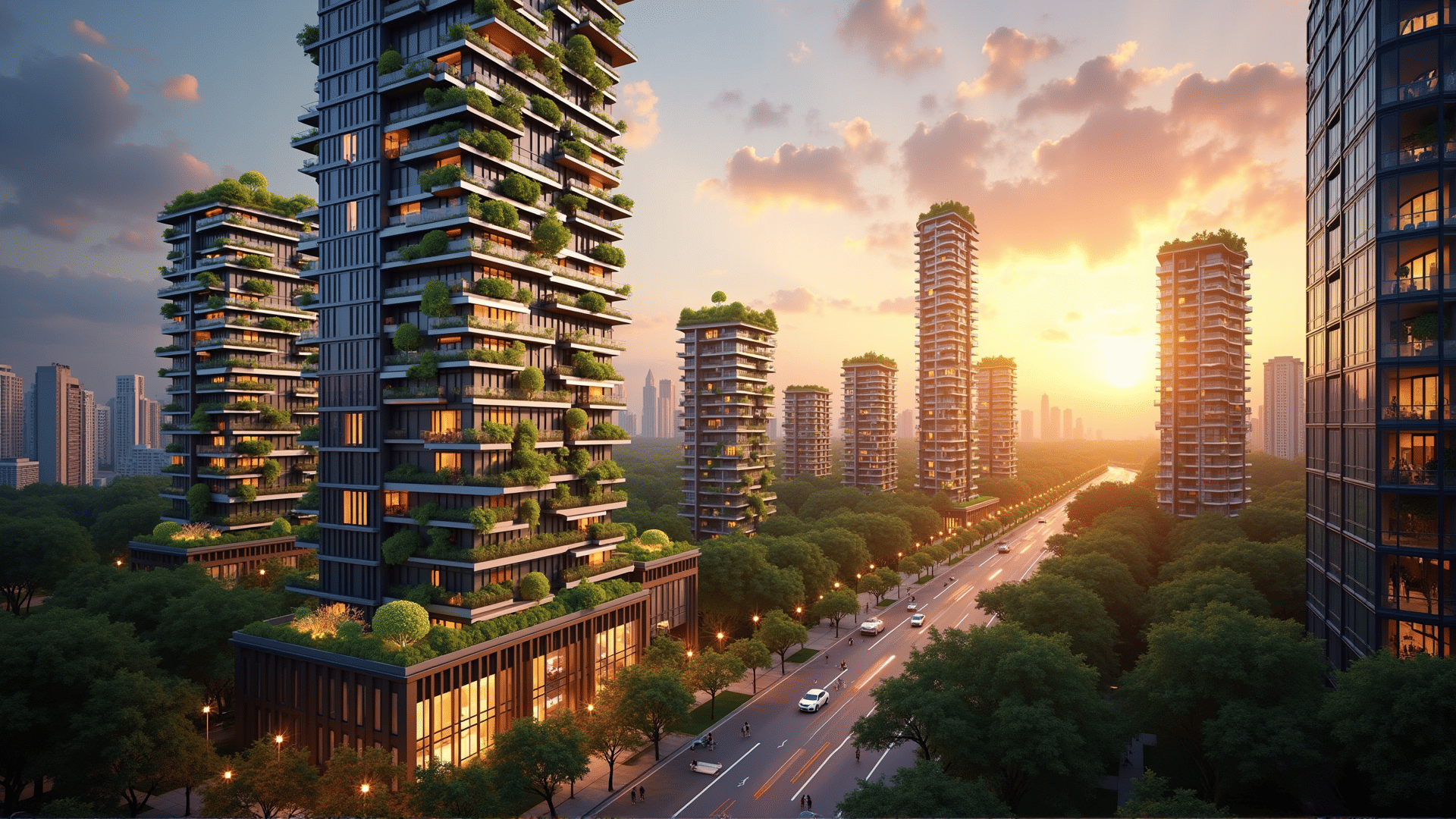
In the heart of cities around the globe, a quiet transformation is underway, revolutionizing urban spaces into sustainable and livable areas. As we face increasing urbanization, the need for innovative architectural designs has never been more pressing. This metamorphosis is led by a new generation of architects and urban planners who are reimagining the cityscape with sustainability at its core.
Historically, urban growth has been associated with concrete jungles and sprawling metropolises, often at the cost of nature and community well-being. However, the tide is turning, thanks to groundbreaking projects that place equal emphasis on environmental stewardship, social inclusivity, and aesthetic harmony. These projects are leveraging cutting-edge technologies and design philosophies to create urban environments that not only accommodate the needs of their populations but also contribute positively to the planet.
One shining example is the concept of vertical gardens, as exemplified by buildings like the Bosco Verticale in Milan, Italy. These towers integrate more than 2,000 varieties of trees and plants into their facades, creating a vertical forest within an urban setting. This ingenious design not only enhances the beauty of the skyline but also improves air quality, reduces the urban heat island effect, and provides a habitat for urban wildlife. Such green edifices signify a shift towards a biophilic design approach, where the built environment fosters connections between people and nature.
Another transformative trend is the integration of mixed-use developments that blend residential, commercial, and recreational spaces. This model reduces the reliance on vehicles, mitigates traffic congestion, and promotes walking and cycling, contributing to a reduction in carbon emissions. Additionally, these developments are often designed with a focus on public spaces, community interaction, and accessibility, making them vibrant hubs of activity and engagement.
In the realm of technology, smart building innovations are playing a crucial role. With the help of advanced sensors and data analytics, smart buildings can optimize energy consumption, monitor air quality, and manage resources efficiently. This not only minimizes environmental footprint but also creates healthier living conditions for inhabitants. Moreover, the integration of renewable energy sources, like solar panels and wind turbines, allows these buildings to produce clean energy, propelling cities towards energy independence.
The concept of adaptive reuse is also gaining traction, breathing new life into obsolete structures by re-purposing them for modern uses. By transforming old warehouses into cultural centers or turning unused railway tracks into greenways, cities are preserving their cultural heritage while injecting new vitality into underutilized spaces. This approach not only conserves resources but also strengthens community ties through the fusion of history and modernity.
Urban planners are increasingly prioritizing resilience in design, crafting cities that can withstand the rigors of climate change. From floating neighborhoods in flood-prone areas to weather-resistant infrastructure, these innovations prepare urban areas for the challenges of tomorrow, ensuring long-term viability and safety for their residents.
The revolutionizing of urban spaces is a testament to the power of creative thinking and innovation in addressing the complexities of contemporary urbanization. It reflects a broader recognition that the future of cities hinges on sustainable practices that harmonize with the natural environment. As these transformative projects continue to emerge, they hold the promise of more sustainable, livable, and resilient urban futures for generations to come.